


NZ Building Consent Reforms 2027: What They Mean for Your Build


The government recently announced major reforms to building consents. But don’t panic. If you're planning to build, these changes will strengthen your protection and impact your timeline (hopefully in a good way).
The Building and Construction Minister, Chris Penk, unveiled new safeguards designed to protect building owners while speeding up the consent process. To summarise the changes, they include:
- Mandatory home warranties
- Proportionate liability framework
- Professional indemnity insurance
- Stricter accountability for licensed building practitioners (LBP)
Want to read the full details? MBIE has published comprehensive information on the proportionate liability changes and what they mean for homeowners.
What's Changing in NZ's Building Consent System
The building consent reforms introduce several key changes:
Mandatory Home Warranties for New Builds
It’s hoped that from 2027 (one year after the legislation passes), all new residential buildings three storeys and under, plus renovations over $100,000, will require home warranties.
These home building warranties must cover:
- A one-year defect period
- A 10-year structural warranty
The estimated cost is around 0.5% of the total build cost and will typically be a one-off payment covering the full 10-year period. Importantly, home warranties don't just cover defects after completion. They also protect you if problems arise during the build, or if the builder retires or ceases trading before your project is complete.
And with the potential for builders – big and small – to go bust, it gives everyone peace of mind.
Proportionate Liability (The Big Shift)
Under the current system, councils could be held fully liable for building defects they didn't cause. This made them understandably cautious about signing off on projects, slowing everything down and often leading to extra costs.
When multiple parties were involved in the project, customers could pursue any one of them for full damages. Councils (who had the deepest pockets) often ended up footing the bill, even though their involvement was limited to signing off on the work. Ratepayers unfairly paid the ultimate price.
The new proportionate liability framework changes all that. Now, each party will only be accountable for the work they actually undertook. This liability model should speed up the consent process and make it much more efficient.
Professional Indemnity Insurance for Designers
Architects and engineers, for example, who contribute to the building design will now be required to hold professional indemnity insurance. This means that they're financially able to stand by their design decisions, giving building owners additional protection beyond the current system.
Stronger Penalties for Licensed Building Practitioners
Maximum fines for LBPs are doubling from $10,000 to $20,000, and suspension periods are extending from 12 months to 24 months.
Why These Building Consent Changes Matter for You
If you're planning to build, these consent system reforms provide stronger protection. You'll have home warranty coverage if defects appear or problems arise during construction. You'll have assurance that those building your home are insured and accountable, and — in theory — faster consent processes as councils feel more confident signing off.
But here's the reality: these are minimum standards being introduced in 2027. If you're building your forever home now, shouldn't your builder already be going beyond the minimum?
.jpg)
How Marsden Homes Already Exceeds These Standards
At Marsden Homes, these reforms aren't news. They’re confirmation of what we've been doing all along. Where they set minimum standards, we've already been exceeding them.
Our 10-Year Master Build Guarantee goes beyond basic warranty requirements, covering deposit protection, completion, materials, workmanship, weather-tightness, and structural integrity. But warranties are just the safety net. Our real focus is on getting it right the first time.
We conduct 200+ quality checks throughout construction to deliver workmanship of the highest quality. These detailed inspections ensure a defect-free handover with a two-year defect period (double the new requirement) and responsive aftercare if any issues arise.
Professional indemnity insurance for designers is now mandatory, and that's a positive step. But accountability at Marsden Homes goes further. Our Construction Manager works directly with designers from the concept stage, ensuring every detail is right. We don't just rely on insurance to cover mistakes. We build to avoid them.
David and the Marsden Homes team are Licensed Building Practitioners and Registered Master Builders, with a reputation built on:
- Clear communication and transparent pricing
- Guaranteed start and completion dates
- Fixed-price certainty with no hidden costs
- Exceptional results, not just compliance
The government's reforms raise the bar for protection and accountability, which benefits everyone planning to build. But confidence shouldn't come from hoping your builder meets minimum standards; it should come from knowing they exceed them.
If you’re planning to build, why not start your journey with an obligation-free discussion about your plans?
Marsden Homes – Building forever homes, not just houses.
Frequently Asked Questions
1. How will the new building consent reforms affect my building timeline?
The reforms aim to speed up consenting by making councils more confident about sign-offs. Changes take effect in early 2027. At Marsden Homes, we handle all consent work on your behalf, keeping your project on track regardless of the system in place.
2. Do I need to arrange my own home warranty, or does the builder provide it?
It's the builder's responsibility. At Marsden Homes, we've always provided comprehensive warranty protection through our 10-Year Master Build Guarantee — well beyond the new minimum requirements. Nothing for you to arrange separately.
What should I look for in a builder under the new regulations?
Look for builders who already exceed the new minimum standards. This includes comprehensive warranties beyond the basic requirements, professional indemnity insurance, Licensed Building Practitioners on staff, and a proven track record of quality builds with proper aftercare. Ask to see their portfolio and/or customer testimonials or Google Reviews.
Subscribe Below


Why Does A Custom Home Builder Ask About Your Budget?

Meet the Local Teams Behind Your New Whangārei Home
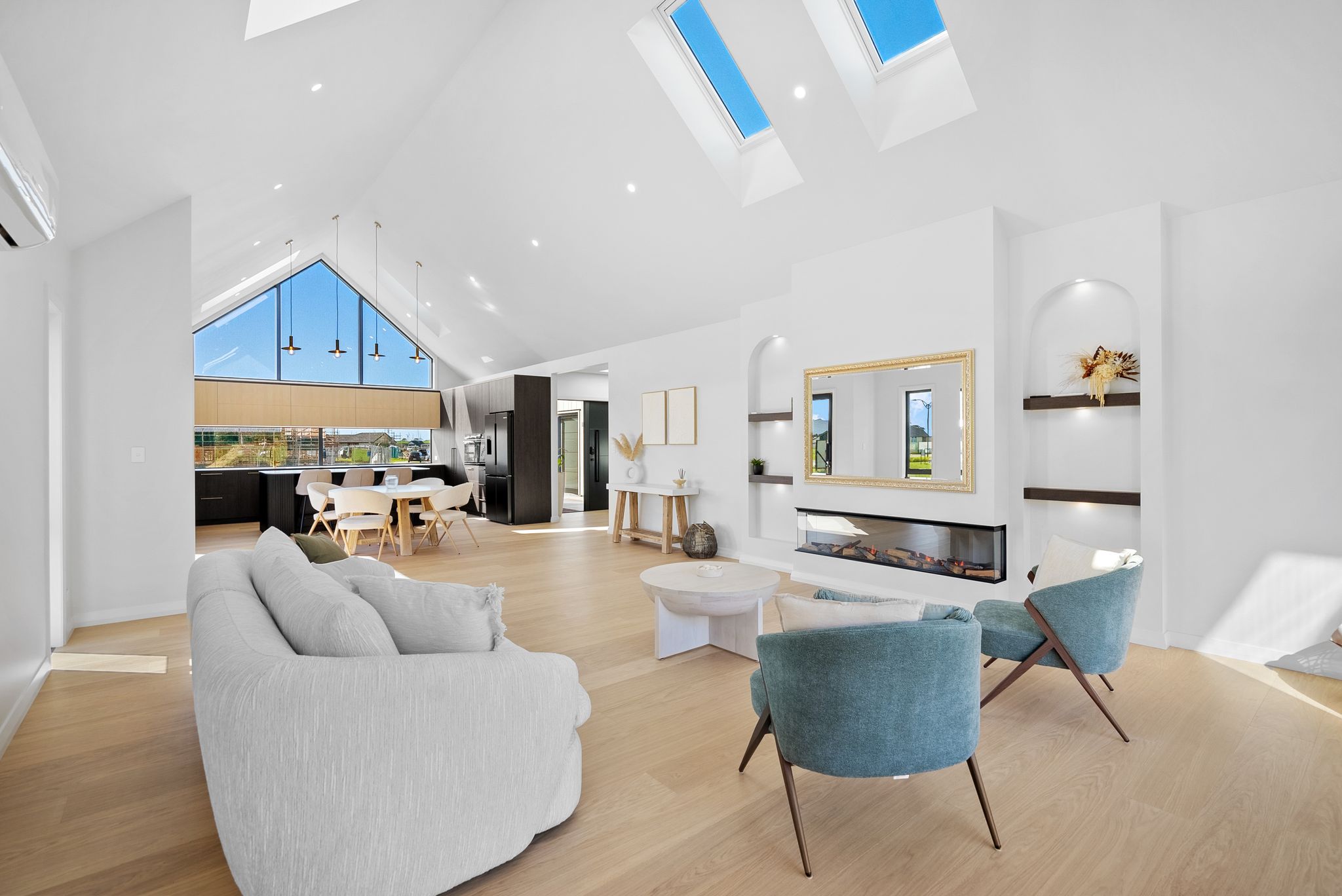
Inside the New Marsden Homes One Tree Point Show Home
.png)
2025 Edition
Marsden Magazine
H-Shape Homes

Visit our Showhome: Mon - Fri 9am to 3pm, Sat 11am to 2pm
104 Stace Hopper Drive, One Tree Point.